
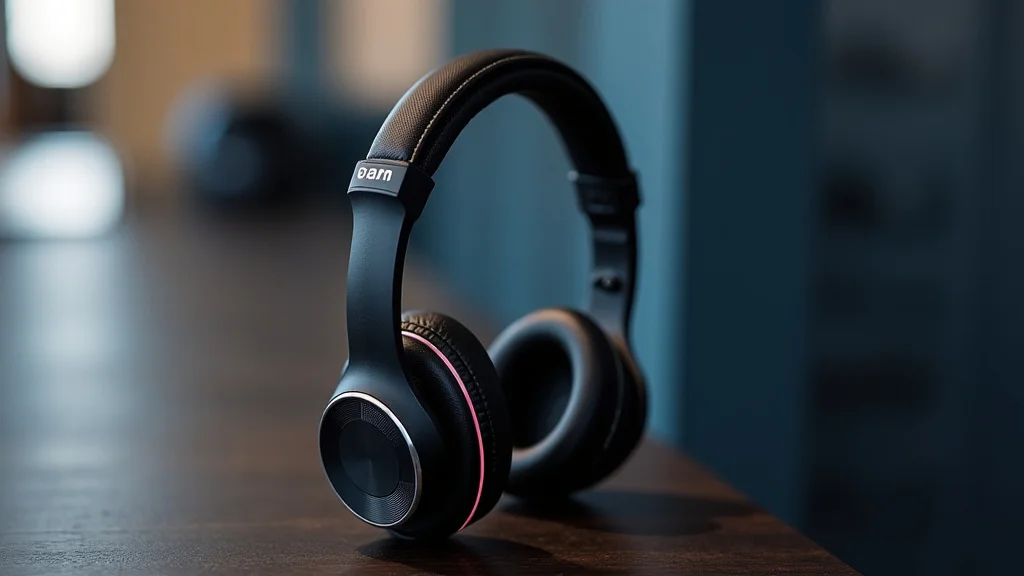
So, you want to get some headphones wireless. It sounds simple, right? But sometimes, when you look at all the choices, it can feel a bit confusing.
What does all the tech talk mean? Don’t worry, this guide is here to help. We will walk through everything step-by-step.
Let’s get you ready to enjoy your music without any wires.
Key Takeaways
- You will learn what makes headphones wireless easy to use.
- We will explain different types of wireless headphones.
- You will discover how to connect your headphones easily.
- We will talk about what to look for when buying them.
- You will know how to take care of your new headphones.
- Tips for getting the best sound are included.
Getting Started With Headphones Wireless
Headphones wireless offer freedom. No more tangled cords to worry about. They connect to your phone, tablet, or computer using Bluetooth.
This lets you move around while listening to your favorite songs or podcasts. It is a great way to enjoy audio without being tied down. Many people find them super easy to use for daily listening.
What Are Headphones Wireless
Headphones wireless are audio devices that do not use cables. They send sound signals through radio waves. The most common type of connection is Bluetooth.
Bluetooth technology allows devices to talk to each other wirelessly over short distances. This means you can pair your headphones with your phone or laptop. You can then listen to music, take calls, or watch videos without a physical connection.
It is all about convenience.
Think about how annoying tangled headphone cords can be. You pull them out of your bag, and they are a mess. With wireless headphones, that problem disappears.
You can put them on and be ready to listen in seconds. This makes them perfect for working out, commuting, or just relaxing at home. The freedom they offer is a big reason why so many people choose them.
Types Of Headphones Wireless
There are several main types of headphones wireless. Each type is designed for different uses and preferences. Knowing the differences helps you pick the best one for you.
In-Ear Headphones Wireless
These are the small earbuds that fit inside your ear canal. They are often called true wireless earbuds if they have no wires connecting the left and right earbud at all. They are very portable and great for exercise because they stay put.
Many come with different sized ear tips to ensure a good fit.
True wireless earbuds, like Apple AirPods or Samsung Galaxy Buds, are incredibly popular. They usually come in a small charging case. This case not only recharges the earbuds but also keeps them safe when not in use.
They are designed for maximum convenience and minimal bulk.
On-Ear Headphones Wireless
These headphones rest on top of your ears. They are lighter than over-ear headphones and can be a good balance between portability and sound quality. The earcups cover your ears without going around them.
This means you might still hear some ambient noise.
On-ear wireless models offer a comfortable listening experience for many hours. Brands like JBL and Skullcandy make popular on-ear wireless headphones. They are often a good choice for casual listening or for people who find in-ear buds uncomfortable.
Over-Ear Headphones Wireless
These headphones have earcups that completely surround your ears. They usually provide the best sound quality and noise isolation. This means they block out more external sounds, letting you focus on your audio.
They are often larger and heavier than other types.
Over-ear wireless headphones are favored by audiophiles and people who want an immersive listening experience. Brands like Sony, Bose, and Sennheiser offer premium over-ear wireless options. They often have features like active noise cancellation for an even quieter listening environment.
How To Connect Headphones Wireless
Connecting your headphones wireless is usually very simple. The most common method is Bluetooth. Here is a basic guide.
- Turn on your headphones. Most have a power button.
- Put your headphones in pairing mode. This is often done by holding down the power button for a few extra seconds until a light flashes or you hear a sound.
- On your device (phone, tablet, computer), go to Bluetooth settings.
- Turn on Bluetooth if it is off.
- Your device will scan for available Bluetooth devices.
- Select your headphones from the list of available devices.
- Your headphones should now be connected.
Sometimes, you might need to enter a PIN code. For most headphones, this is 0000 or 1234. Check your headphone’s manual if you are unsure.
Once paired, your headphones should automatically connect to your device each time you turn them on and they are nearby.
Troubleshooting Connection Issues
If your headphones won’t connect, try these simple fixes. First, make sure your headphones are fully charged. Low battery can cause pairing problems.
Second, turn both your headphones and your device’s Bluetooth off and then back on. This can reset the connection. Third, “forget” the device on your phone or computer and try pairing them again from scratch.
Sometimes, other Bluetooth devices can interfere. Try turning off Bluetooth on other nearby devices you are not using. Make sure your headphones are not already connected to another device.
This is a common reason why they might not connect to a new one.
Benefits Of Headphones Wireless
The advantages of using headphones wireless are many. They offer a level of freedom and convenience that wired headphones simply cannot match. Let’s explore some of the key benefits.
Freedom Of Movement
The biggest benefit is the freedom to move. You can walk around your house while listening to music. You can do chores or work at your desk without being physically tethered to your device.
This is especially useful for activities like exercise or cooking.
Imagine doing your workout in the gym. With wired headphones, your phone or music player has to be close by, possibly in your pocket. This can be restrictive.
Wireless headphones let you keep your device in a bag or on a stand, giving you more space to move freely. This unhindered movement can improve your exercise performance and enjoyment.
Convenience And Simplicity
No more dealing with tangled wires! This is a huge plus for many people. You can grab your headphones and go without any fuss.
Pairing is usually a one-time setup. After that, they connect automatically when you turn them on. This makes them very easy to use for everyday tasks.
Think about your commute. You reach for your headphones, put them on, and you are listening. No untangling.
No plugging them into your phone’s jack. This ease of use saves time and reduces frustration, especially when you are in a hurry.
Versatility
Wireless headphones work with a wide range of devices. Most modern smartphones, tablets, laptops, and even some smart TVs have Bluetooth. This means you can use the same pair of headphones for all your audio needs.
This versatility makes them a smart investment.
For example, you can use your headphones to listen to music on your phone during your commute. Then, you can use the same headphones to join a video call on your laptop at work. You do not need to switch between different sets of headphones.
Noise Cancellation Features
Many wireless headphones, especially over-ear models, come with active noise cancellation (ANC). ANC uses microphones to detect external sounds and then creates anti-sound waves to cancel them out. This allows you to enjoy your audio without distractions from your surroundings.
This feature is fantastic for noisy environments like airplanes, busy offices, or public transport. It helps you focus on your music, podcasts, or calls. Some people find that ANC significantly improves their listening experience.
It can also help reduce fatigue in loud places.
Choosing The Right Headphones Wireless
With so many options available, picking the perfect pair of headphones wireless can feel overwhelming. Consider these factors to make a smart choice.
Sound Quality
Sound quality is crucial for an enjoyable listening experience. Look for headphones that offer clear highs, balanced mids, and good bass. Some headphones allow you to adjust the equalizer settings through a companion app.
This lets you fine-tune the sound to your liking.
For example, if you listen to a lot of bass-heavy music like hip-hop or electronic music, you might want headphones that offer a stronger bass response. If you prefer classical or jazz, balanced mids and clear highs might be more important. Reading reviews that discuss sound profiles can be very helpful.
Battery Life
Battery life is a key consideration for wireless devices. How long do the headphones last on a single charge? How long does the charging case last for earbuds?
Most wireless headphones offer anywhere from 5 to 30 hours of playback.
If you travel frequently or use your headphones for long periods without access to a charger, longer battery life is essential. Many models also support fast charging, giving you several hours of playback from just a few minutes of charging.
Comfort And Fit
Comfort is paramount, especially if you plan to wear your headphones for extended periods. For in-ear models, ensure they come with multiple ear tip sizes. For on-ear and over-ear headphones, check reviews for comments on ear cup padding and headband pressure.
A poor fit can lead to discomfort, ear fatigue, and sound leakage. It can also affect how well the headphones seal your ears, impacting bass response and noise isolation. Trying them on, if possible, is the best way to judge comfort and fit.
Durability And Build Quality
Consider how well the headphones are built. Are they made from sturdy materials that can withstand daily use? If you plan to use them for sports, look for sweat and water resistance ratings (e.g., IPX ratings).
Durable headphones will last longer and save you money in the long run. Check the build materials like plastics, metals, and the quality of hinges and earcups.
Additional Features
Many headphones offer extra features. These can include active noise cancellation (ANC), voice assistant integration (like Siri or Google Assistant), multi-device pairing, and companion apps for customization.
Decide which of these features are important to you. For instance, if you often switch between your phone and laptop, multi-device pairing would be very useful. If you work in noisy environments, ANC might be a must-have.
| Type | Pros | Cons | Best For |
|---|---|---|---|
| In-Ear | Portable, good for exercise, discreet | Can be less comfortable for some, sound quality can vary | Commuting, workouts, travel |
| On-Ear | Lighter than over-ear, good balance of size and sound | May let in more ambient noise, can press on ears | Casual listening, everyday use |
| Over-Ear | Superior sound quality, excellent noise isolation, comfortable | Bulky, less portable, can be warm for ears | Home listening, audiophiles, travel (with ANC) |
Maintaining Your Headphones Wireless
To get the most out of your headphones wireless, proper care is essential. Keeping them clean and charged correctly will ensure they last longer and perform at their best.
Cleaning Your Headphones
Regular cleaning prevents dirt and earwax buildup, which can affect sound quality and hygiene. For earbud tips, gently wipe them with a dry, soft cloth or a slightly damp cloth. Ensure they are completely dry before reinserting.
For the earcups and headband of on-ear and over-ear headphones, use a soft, dry cloth. For tougher grime, you can use a cloth lightly dampened with water or an approved electronics cleaner. Avoid getting moisture into any ports or speaker grilles.
Always consult your manufacturer’s guidelines for specific cleaning instructions for your model.
Charging And Battery Care
Always use the charger that came with your headphones or a certified equivalent. Overcharging can degrade battery health over time, though most modern devices have protection against this. Avoid exposing your headphones to extreme temperatures while charging, as this can damage the battery.
For true wireless earbuds, clean the charging contacts on both the earbuds and the case periodically with a dry cotton swab. This ensures a good connection for charging.
Storage And Protection
When not in use, store your headphones in their case or a safe place where they won’t be damaged. This protects them from dust, scratches, and potential impact. For over-ear headphones, folding them down and storing them in their carrying case is ideal.
If you use your headphones for sports or outdoor activities, consider investing in a rugged carrying case. This offers extra protection against bumps and weather elements.
Common Myths Debunked
Myth 1: Wireless headphones have poor sound quality compared to wired ones
This used to be more true in the past, but technology has advanced significantly. Modern headphones wireless, especially higher-end models, offer excellent sound quality that rivals or even surpasses many wired options. Bluetooth codecs have improved, and advancements in driver technology mean you can get crisp highs, rich mids, and deep bass wirelessly.
Myth 2: All wireless headphones are expensive
While premium models can be costly, there is a wide range of wireless headphones available at various price points. You can find very affordable wireless earbuds and on-ear headphones that offer good performance for everyday listening. The market is competitive, leading to more budget-friendly options.
Myth 3: Pairing wireless headphones is complicated
For most users, pairing is a straightforward, one-time process. Once you have paired your headphones with a device, they usually reconnect automatically. While there can be occasional glitches, the overall experience is designed to be user-friendly and simple.
Myth 4: Wireless headphones are bad for your health
Bluetooth technology used by wireless headphones emits very low levels of radiofrequency energy. These levels are well below safety limits set by regulatory bodies worldwide. Scientific studies have not found any conclusive evidence of health risks associated with using Bluetooth devices for audio.
Frequently Asked Questions
Question: How do I know if my headphones wireless are charging?
Answer: Most headphones wireless have an indicator light that shows charging status. It might be red when charging and turn blue or green, or turn off, when fully charged. Check your manual for specifics.
Question: Can I use my headphones wireless with more than one device at a time?
Answer: Some advanced headphones wireless support multi-device pairing, allowing them to connect to two devices simultaneously. You will need to check the specifications for your particular model.
Question: My wireless headphones suddenly stopped working. What should I do?
Answer: First, try charging them fully. Then, restart both your headphones and the device you are connecting to. If that does not work, try forgetting the device in your Bluetooth settings and re-pairing them.
Question: How long should my wireless headphones last?
Answer: Battery life varies greatly. Many offer 5-8 hours for earbuds and 20-30+ hours for over-ear headphones per charge. The charging case for earbuds adds more listening time.
Question: What is active noise cancellation ANC?
Answer: Active noise cancellation uses microphones to listen to your surroundings and then produces an opposite sound wave to cancel out background noise, helping you focus on your audio.
Conclusion
You now have a clear path to choosing and enjoying your headphones wireless. From understanding the types available to connecting them with ease, the process is simpler than you might think. Focus on sound, comfort, and battery life that fit your needs.
With a little care, your new headphones will provide hours of listening pleasure. Happy listening!