
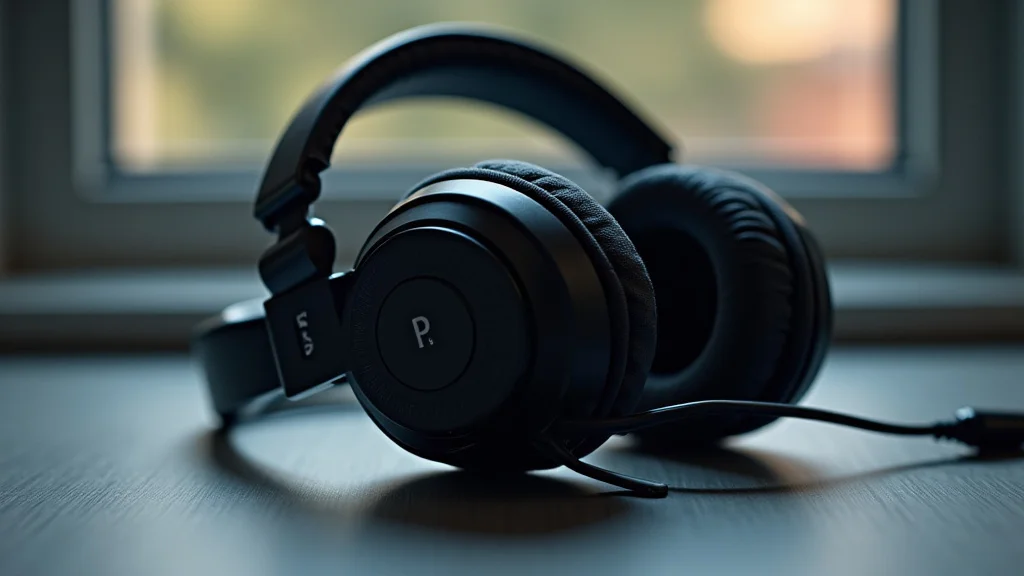
Sometimes picking out new headphones can feel a bit tricky, especially when you’re just starting out. You might wonder if you really need the latest wireless ones or if good old headphones wired can still do the job. They’re super common and often a great starting point because they’re easy to use and usually cost less.
This guide is here to make it simple. We’ll walk through everything you need to know, step by step, so you can feel confident about your choice. Let’s get you hooked up with the right audio.
Key Takeaways
- Understand the basic function and appeal of wired headphones.
- Learn about the different types of wired headphone connections.
- Discover the advantages wired headphones offer over wireless options.
- Explore common problems and how to solve them easily.
- Find tips for choosing the best wired headphones for your needs.
- Recognize the durability and reliability of wired audio gear.
Why Headphones Wired Are Still Great
Wired headphones offer a direct connection between your audio source and your ears. This means no batteries to charge and no Bluetooth pairing to fuss with. For many people, this simplicity is a huge plus.
Beginners often find them less confusing than wireless models. You just plug them in, and they work. This reliability makes them a favorite for many, from students to professionals.
They are also often more affordable, making them accessible to everyone. The sound quality can also be exceptional without the need for compression that wireless signals sometimes use.
The Direct Connection Advantage
The main benefit of headphones wired is their direct, physical connection. This eliminates potential signal interruptions that can happen with wireless technology. Think about it like a clear phone line versus a walkie-talkie.
The wired connection is generally more stable. This stability is great for activities where you can’t afford audio dropouts, like recording music or participating in important video calls. It also means you don’t have to worry about interference from other wireless devices in your environment.
This straightforward link is a key reason why many people continue to prefer wired audio solutions.
This direct link also contributes to lower latency. Latency is the small delay between when the sound is produced and when you hear it. For gaming or watching movies, low latency is important for a smooth experience.
You want the action on screen to match the sound you hear perfectly. Wired headphones excel here. They offer near-instantaneous audio delivery, which is something wireless technology still struggles to match consistently across all price points and devices.
Sound Quality Without Compromise
When we talk about sound quality, wired headphones often shine. Because the audio signal travels through a physical wire, it doesn’t need to be compressed or encoded like it does for Bluetooth. This means the sound can reach your ears in its purest form.
Audiophiles often prefer wired headphones for this reason. They can hear more detail and nuance in their music. This makes them ideal for listening to high-resolution audio files or for critical listening tasks like mixing or mastering audio.
The signal integrity is simply superior.
The way sound is delivered through a wire is also very consistent. You don’t experience the fluctuations in quality that can sometimes happen with wireless signals, especially if you move away from your device. This consistent delivery ensures that your listening experience remains high-quality throughout.
It’s a simple but effective technology that prioritizes audio fidelity. This focus on delivering the best possible sound is a major draw for many users.
Understanding Audio Cables
The cable is a vital part of your headphones. Different cables have different connectors. The most common one you’ll see is the 3.5mm audio jack.
It’s a small, round plug that fits into most smartphones, laptops, and audio devices. It carries stereo sound and a microphone signal if the headphones have one. This plug has been around for a long time and is a universal standard.
It’s simple to use and widely compatible, making it a convenient choice for everyday listening.
Another type is the 6.35mm (or 1/4-inch) jack. This is a larger plug, often found on professional audio equipment like guitars, amplifiers, and home stereo systems. You might also see adapters that let you plug a 3.5mm connector into a 6.35mm jack, or vice versa.
This flexibility means your headphones can work with a wide range of devices, from your phone to your home entertainment setup. The larger size of the 6.35mm plug also often means a more robust connection for studio use.
Some higher-end headphones might use different connectors, like XLR or balanced jacks. These are usually for professional use and provide an even cleaner audio signal by canceling out noise. But for everyday use, the 3.5mm and 6.35mm jacks are what you’ll encounter most often.
Understanding these different connectors helps you choose the right headphones and know how to connect them to your gear. It’s a basic but important step in enjoying your audio.
Durability and Longevity
Headphones wired are often built to last. Without delicate electronics like batteries and Bluetooth modules, there are fewer parts that can break. The cables themselves, while they can sometimes fray or wear out, are often
Consider the case of a student using headphones daily for studying and online classes. A well-built wired pair can last for years, enduring being tossed into a backpack or used during long study sessions. This contrasts with wireless headphones, where battery life can diminish significantly after a couple of years, often leading to replacement even if the rest of the headphones are still in good working order.
This inherent durability makes wired options a sensible investment for many users.
No Charging Worries
One of the biggest advantages of wired headphones is that they don’t need charging. You never have to remember to plug them in overnight or carry a portable charger. As long as your device has a power source, your headphones will work.
This is incredibly convenient for long trips, busy days, or even just when you forget to charge your gadgets. It means your headphones are always ready when you are. This freedom from the charging cycle is a key reason many people still opt for wired models.
Imagine you’re about to head out for a day of travel, and you realize your wireless earbuds are dead. That’s a frustrating situation. With wired headphones, this problem simply doesn’t exist.
You can grab them, plug them into your phone or laptop, and instantly have your music or podcasts. This reliability is a lifesaver in many situations. It removes a layer of complexity from your daily routine, allowing you to focus on what matters most – enjoying your audio.
Connecting Your Headphones Wired
Plugging in your headphones wired is generally very straightforward. Most devices, like smartphones, tablets, and computers, have a standard audio jack. You’ll see a small circular port, usually labeled with a headphone symbol.
Simply insert the plug of your headphones into this port. Make sure it’s pushed in all the way for the best connection and sound. Once plugged in, your device should automatically recognize the headphones, and audio will play through them.
Some newer devices, like certain smartphones and laptops, might not have a traditional headphone jack. In these cases, you might need an adapter. A common adapter converts a USB-C port or a Lightning port (for Apple devices) into a standard 3.5mm headphone jack.
You simply plug the adapter into your device’s charging port, and then plug your headphones into the adapter. These adapters are readily available and ensure you can still use your favorite wired headphones with modern devices.
Troubleshooting Common Connection Issues
If you plug in your headphones and don’t hear any sound, don’t worry! There are a few simple things you can check. First, make sure the headphone plug is fully inserted into the jack.
Sometimes, it just needs a gentle push to make a solid connection. Next, check the volume on your device. It might be turned down or muted.
Also, ensure that your device is set to output audio through the headphone jack. Some devices have settings that allow you to choose the audio output source.
If you have a volume control on your headphone cable, make sure that’s turned up as well. Sometimes, the cable itself might be damaged, especially near the plug or where the wire connects to the earcup. You can test this by gently wiggling the cable while the headphones are plugged in and playing sound.
If the sound cuts in and out as you move the cable, it might indicate a damaged wire, and you may need to replace the headphones. However, for many minor issues, a simple check of connections and settings usually does the trick.
Using Headphones Wired with Different Devices
Using headphones wired with various devices is a key benefit. Your trusty pair can connect to your laptop for work, your tablet for entertainment, your gaming console for immersive play, and your smartphone for music on the go. The universal nature of the 3.5mm jack means you can switch between devices seamlessly.
This versatility saves you money and reduces the need for multiple pairs of headphones. You can enjoy consistent audio quality across all your gadgets.
For computers, the headphone jack is usually located on the front or back panel. On gaming consoles, it’s often on the controller or the console itself. Even smart TVs and some car audio systems have auxiliary input jacks that can accept a 3.5mm connection.
This widespread compatibility makes wired headphones a reliable choice for nearly any audio playback scenario. You can depend on them to work with whatever device you’re using.
Example: Student’s Daily Setup
Sarah is a college student who relies on her headphones for lectures, online classes, and study music. She uses a pair of headphones wired with a built-in microphone. She plugs them into her laptop during lectures to hear clearly and participate in discussions.
Later, she uses the same headphones to listen to study playlists while working in the library, ensuring she doesn’t disturb others. In the evening, she might use them to watch a movie on her tablet without bothering her roommate. The simple plug-and-play nature means she never wastes time troubleshooting or waiting for a charge, allowing her to focus on her studies.
This one pair of headphones serves multiple purposes throughout her day. The microphone is crucial for her online classes, allowing her to ask questions and collaborate with classmates. The comfortable earcups make long study sessions bearable.
The durability of the wired connection means she doesn’t have to worry about them breaking if they get jostled in her backpack. This practical application highlights how essential and versatile wired headphones can be for students.
Understanding Impedance and Sensitivity
When looking at the specs for headphones wired, you might see terms like impedance and sensitivity. Impedance is measured in ohms (Ω) and tells you how much electrical resistance the headphones have. Higher impedance headphones (e.g., 250Ω or more) generally require more power from your audio source to sound their best.
They might sound quiet or thin if plugged into a weak device like a smartphone. Lower impedance headphones (e.g., 32Ω or less) are easier to drive and work well with most portable devices.
Sensitivity is measured in decibels (dB) and indicates how loud the headphones can get with a certain amount of power. Higher sensitivity means they will be louder with less power. For portable devices like phones and laptops, headphones with a sensitivity of around 95 dB or higher are usually a good choice.
If you’re planning to use your headphones with a powerful amplifier or audio interface, you might have more flexibility with impedance and sensitivity. Understanding these terms can help you match your headphones to your audio source for optimal performance.
Choosing the Right Headphones Wired
Selecting the right pair of headphones wired involves considering a few key factors. First, think about what you’ll use them for most. Are they for casual listening, gaming, professional audio work, or exercise?
Each use case might benefit from different features. For example, gaming headphones often have a good microphone and immersive sound, while exercise headphones might be sweat-resistant and secure. Casual listening headphones focus on comfort and balanced sound.
Next, consider the type of earcup. Over-ear headphones completely surround your ears, offering good isolation and comfort for long listening sessions. On-ear headphones rest directly on your ears and are usually more compact.
In-ear monitors (IEMs), often called earbuds, fit inside your ear canal and provide excellent isolation. Each type has its pros and cons regarding comfort, portability, and sound isolation. Your personal preference plays a big role here.
Types of Wired Headphone Designs
The design of headphones wired greatly influences their performance and comfort. Over-ear headphones are popular for their comfort and sound quality. They come in two main types: open-back and closed-back.
Open-back headphones have earcups that are not sealed, allowing air and sound to pass through. This creates a more natural, spacious soundstage, often preferred for critical listening. However, they leak sound, so they aren’t ideal for quiet environments or for privacy.
Closed-back headphones have sealed earcups. This design blocks out external noise and prevents sound from leaking out. They are great for noisy environments, public transport, or when you need to focus without distractions.
They can also provide a more impactful bass response. On-ear headphones are smaller and lighter than over-ear models. They rest on your ears rather than enclosing them.
While they can be more portable, they may not be as comfortable for extended wear and offer less sound isolation than closed-back over-ear designs.
In-ear headphones, or earbuds, are inserted into the ear canal. They offer excellent noise isolation and are very portable. Many modern wired earbuds also come with different sizes of ear tips to ensure a snug and comfortable fit.
The seal created by ear tips is crucial for both sound quality and isolation. If you’re looking for something discreet and portable, in-ear headphones are a fantastic option.
Comfort and Fit Considerations
Comfort is paramount, especially if you plan to wear your headphones wired for extended periods. Look for headphones with soft, plush earcups made from materials like memory foam or velour. Adjustable headbands are also important to ensure a secure but comfortable fit for different head sizes.
For over-ear headphones, consider the clamping force – how tightly they grip your head. Too much force can cause discomfort or headaches.
For in-ear headphones, the ear tips are key. They should create a good seal without being painful. Most wired earbuds come with several sizes of silicone or foam tips.
Trying out different sizes is essential to find the best fit. A proper seal not only enhances comfort but also significantly improves bass response and noise isolation. If your headphones are for sports, look for designs with ear hooks or wings that help keep them in place during physical activity.
Example: Gamer’s Setup
Mark is an avid gamer who uses headphones wired with a detachable microphone. He needs them for team communication and to hear every subtle sound cue in his games, like approaching footsteps. He chose a pair of closed-back over-ear headphones because they help him block out distractions in his busy household and provide an immersive audio experience.
The microphone is clear, allowing his teammates to hear him perfectly, and the comfortable earcups let him wear them for hours during long gaming sessions.
The wired connection ensures zero latency, which is critical for competitive gaming where split-second reactions matter. He can plug them directly into his gaming console’s controller, making setup easy. If the cable ever gets damaged, he can simply replace it, extending the life of his headset.
This setup allows him to stay focused on the game, communicate effectively, and enjoy the rich audio detail that enhances his gaming experience.
Material Quality and Build
The materials used in headphones wired play a big role in their durability and how they feel. High-quality plastics, metals like aluminum, and durable synthetic leathers for earcups tend to last longer. Cheaper headphones might use brittle plastics that can crack easily.
The headband should be strong and flexible. For the cable, look for braided cables, which are generally more resistant to tangles and wear than smooth rubberized ones. A thicker cable can sometimes indicate better shielding and durability.
Some headphones even have replaceable cables. This is a fantastic feature because the cable is often the first part to wear out. If the cable gets damaged, you can simply buy a new one instead of replacing the entire set of headphones.
This not only saves money but also reduces waste. Checking reviews for comments on build quality and durability can give you a good idea of how well a particular pair of headphones will hold up over time.
Maintenance and Care
Taking care of your headphones wired can significantly extend their lifespan and keep them sounding their best. The most important aspect is keeping them clean. Earcups and ear tips can accumulate earwax, sweat, and dust.
Gently wipe them down with a soft, slightly damp cloth. For removable earcups, you can often clean them more thoroughly according to the manufacturer’s instructions. Avoid using harsh chemicals or solvents, as they can damage the materials.
Proper storage is also key. When you’re not using your headphones, avoid leaving the cable tangled or stressed. Storing them in a protective case or on a headphone stand can prevent damage to the cable and earcups.
Avoid pulling on the cable when unplugging them; instead, grip the plug itself. Keeping them away from extreme temperatures or moisture will also help maintain their quality.
Cleaning Your Headphones
Regular cleaning of your headphones wired is essential for hygiene and performance. For the earpads, use a dry microfiber cloth to wipe away surface dirt and oil. If they are more soiled, you can use a cloth lightly dampened with water or a mild soap solution.
Always ensure the pads are completely dry before using them again. Many earpads are removable, making them easier to clean. Check your headphone’s manual for specific cleaning instructions.
The ear tips of in-ear headphones can be cleaned by gently wiping them with a damp cloth or, if they are removable, washing them with mild soap and water. Make sure they are thoroughly dry before reinserting them into your ears. The mesh grilles on the earbuds or earpads can sometimes get clogged with debris.
You can carefully use a dry, soft brush, like a toothbrush, to gently dislodge any particles. Keeping the drivers clean ensures the sound quality remains clear and undistorted.
Cable Management Tips
Tangled cables are a common annoyance with headphones wired. To prevent this, coil the cable loosely when you’re done using them. Avoid wrapping it tightly around your fingers, as this can stress the wires.
Many people use cable ties or Velcro straps to keep the coiled cable neat. Some headphones come with a small carrying pouch that also helps with cable management. If your headphones have a detachable cable, you can unplug it for easier storage, preventing any strain on the connection points.
When storing your headphones, try to avoid pressing down on the cable. If you put them in a bag, make sure the cable isn’t crushed under other items. A dedicated headphone stand can also be useful for keeping them organized and the cable from getting tangled when they are not in use at your desk.
These simple habits can prevent fraying and internal wire damage, ensuring your headphones last much longer.
Common Myths Debunked
Myth 1: Wired headphones are outdated technology.
This is not true. While wireless technology is popular, wired headphones offer distinct advantages in sound quality, reliability, and cost. For audio professionals and enthusiasts, wired connections are still the preferred choice due to their superior fidelity and lack of latency.
They represent a mature, proven technology that continues to meet many users’ needs effectively.
Myth 2: All wired headphones sound the same.
This is far from the truth. The sound quality of headphones wired varies greatly depending on the driver size and quality, the materials used, the acoustic design of the earcup, and the tuning by the manufacturer. Some headphones are designed for deep bass, others for clear vocals, and still others for a balanced, neutral sound profile.
There is a vast spectrum of audio performance available across different wired headphone models.
Myth 3: Wired headphones are always cheap.
While many affordable wired headphones are available, there are also extremely high-end wired models that cost thousands of dollars. These premium headphones use exotic materials, advanced engineering, and sophisticated drivers to achieve exceptional sound reproduction. The price range for wired headphones is just as broad as for wireless ones, catering to every budget and performance expectation.
Myth 4: Wired headphones are bulky and inconvenient.
This depends on the type. While over-ear headphones can be larger, there are many compact and lightweight wired options, such as in-ear monitors (earbuds) and on-ear headphones, which are highly portable and convenient. The primary inconvenience often cited is the cable itself, but for many, the lack of charging and potential for better sound quality outweighs this minor concern.
Frequently Asked Questions
Question: Do I need a special amplifier for wired headphones?
Answer: It depends on the headphones. Lower impedance headphones (under 50 ohms) usually work fine with smartphones and laptops. Higher impedance headphones (over 100 ohms) may benefit from or require a dedicated headphone amplifier to reach their full volume and sound quality potential.
Question: How do I clean the cable of my wired headphones?
Answer: You can gently wipe the cable with a soft, dry cloth. If it’s very dirty, use a cloth slightly dampened with water. Avoid using alcohol or harsh cleaning agents, as they can damage the cable’s material.
Question: Can wired headphones be used for gaming?
Answer: Yes, absolutely. In fact, many gamers prefer wired headphones because they offer zero latency, meaning there’s no delay between in-game actions and the sound you hear. This is crucial for quick reactions and immersive gameplay.
Question: How can I tell if my wired headphones are broken?
Answer: Common signs include sound only coming from one earcup, intermittent audio, static or crackling sounds, or no sound at all. These issues often point to a problem with the cable connection or the internal wiring.
Question: Are wired headphones better for privacy than wireless ones?
Answer: Generally, yes. Wired headphones don’t emit any wireless signals that could potentially be intercepted. As long as the sound is contained within the earcups (especially with closed-back designs), your listening is private.
Wrap Up
Choosing headphones wired means opting for reliable audio. You get consistent sound without worrying about battery life or Bluetooth pairing. They are easy to connect to almost any device, and their durability means they can last a long time.
Explore different types to find what feels and sounds best for you. Enjoy your music with simplicity and quality.