
Picking out new headphones can feel a bit confusing sometimes. There are so many types and features to think about, which can make it tricky for folks just starting. But don’t worry!
We’re here to make it super simple. We’ll walk through everything step by step so you can find the perfect pair. Get ready to discover what makes a great set of headphones.
Key Takeaways
- You will learn about different types of headphones and how they are used.
- Understand the main parts that make headphones work well.
- Discover how to choose headphones based on your listening needs.
- Learn about useful features like noise cancellation and wireless connectivity.
- Get tips on caring for your headphones to make them last longer.
Types Of Headphones Explained
Headphones come in many shapes and sizes, each good for different things. Knowing these types helps you pick what fits your life best. We will explore the most common ones.
Over-Ear Headphones
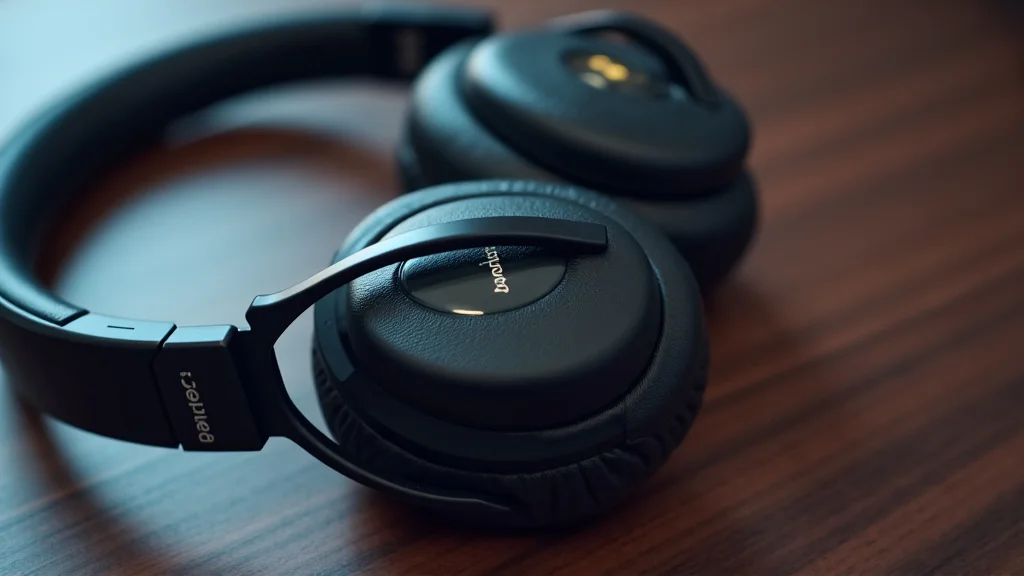
Over-ear headphones are the big ones that go completely around your ears. They feel soft and cover your whole ear. This design is great because it can block out a lot of outside noise naturally.
People like them for comfort during long listening sessions, like when working or traveling. They often provide the best sound quality because they have more space for bigger speakers.
- Design: Fully encloses the ear.
- Comfort: Generally very comfortable for extended wear.
- Sound Isolation: Excellent passive noise isolation.
- Sound Quality: Often offers the richest and most detailed sound.
Think of a music producer in a studio. They often use over-ear headphones to hear every little detail in the music. This type is also favored by gamers who want to be fully immersed in their game’s sound.
The earcups can be open-back, which lets sound out and can create a wider soundstage, or closed-back, which seals sound in for better isolation.
On-Ear Headphones
On-ear headphones rest directly on your ears, not around them. They are smaller and lighter than over-ear models. Because they sit on your ear, they don’t block out as much sound from the outside world.
This can be good if you need to stay aware of your surroundings, like when walking in a city. They are also more portable.
- Design: Sits on top of the ear.
- Portability: More compact and easier to carry.
- Awareness: Allows some ambient sound to be heard.
- Comfort: Can be comfortable, but some find them less so than over-ears for very long use.
Someone who commutes on a train might choose on-ear headphones. They can listen to their music or podcast without completely shutting out announcements. They offer a good balance between sound quality and portability for everyday use.
Many are also wireless, making them convenient.
In-Ear Headphones (Earbuds)
In-ear headphones, often called earbuds, fit right into your ear canal. They are very small and easy to carry. Because they seal your ear canal, they can block out a good amount of noise, similar to earplugs.
This makes them popular for workouts and busy commutes. Many now come with different sizes of ear tips to help you get the best fit.
- Design: Inserts into the ear canal.
- Portability: Extremely compact and easy to store.
- Noise Isolation: Good passive isolation due to the seal.
- Use Cases: Popular for exercise, travel, and everyday listening.
An athlete would find in-ear headphones ideal. They stay put during intense activity and block out gym noise. The sound can be very direct and clear.
Some advanced models even have features like active noise cancellation.
How Headphones Work
Understanding the basic parts helps you appreciate the sound you hear. Headphones turn electrical signals into sound waves. Let’s look at what makes this happen.
The Driver
The driver is the heart of any headphone. It’s a small speaker inside the ear cup or earbud. When an electrical signal comes from your music player, it makes a small cone or diaphragm inside the driver move back and forth.
This movement pushes air, creating sound waves that travel to your ears.
- Function: Converts electrical signals into sound.
- Components: Typically includes a magnet, voice coil, and diaphragm.
- Types: Dynamic drivers are most common, but balanced armature and planar magnetic drivers also exist.
The size and quality of the driver greatly affect the sound. Bigger drivers can move more air, often leading to deeper bass. Different types of drivers have their own sound characteristics.
For example, balanced armature drivers are known for detailed treble and clarity, while dynamic drivers are good for a wider frequency range and punchy bass.
Connectivity
How headphones connect to your device is important. There are two main ways: wired and wireless.
Wired Connections
Wired headphones use a cable with a plug, usually a 3.5mm jack, to connect directly to your phone, computer, or music player. This connection is simple and doesn’t require batteries. It’s also often favored by audiophiles for potentially higher sound quality without signal loss.
- Pros: No battery needed, potentially better sound fidelity, no pairing issues.
- Cons: Cable can get tangled or break, limited freedom of movement.
A musician practicing their instrument might use wired headphones to ensure the most direct and lag-free connection to their audio interface. This is crucial for precise timing and monitoring. The cable itself can also affect sound quality, with better cables offering less resistance.
Wireless Connections
Wireless headphones use Bluetooth technology to connect to your devices. This gives you freedom to move around without being tied by a cable. You need to charge them, and sometimes sound quality can be affected by the Bluetooth signal or compression.
- Pros: Freedom of movement, no tangled wires, convenient.
- Cons: Requires charging, potential for signal interference, can have slight audio latency.
Many people find wireless headphones incredibly convenient for everyday use. For instance, someone going for a run or doing chores around the house can listen to music without the cable getting in the way. Bluetooth codecs like aptX and LDAC can significantly improve wireless audio quality.
A statistic from Statista shows that in 2023, over 246 million wireless headphones were sold worldwide, highlighting their popularity. This trend is expected to continue growing.
Choosing Your Perfect Headphones
With so many options, how do you pick the best pair for you? It all depends on what you do and what you like.
Consider Your Listening Habits
What do you use headphones for most often? This is the biggest question.
- For Commuting/Travel: Look for good noise cancellation and portability. In-ear or compact over-ear headphones are great.
- For Work/Study: Comfort for long periods is key. Over-ear headphones with good padding are often preferred.
- For Exercise: Sweat resistance and a secure fit are important. Wireless in-ear earbuds are very popular here.
- For Home Listening: Sound quality might be the top priority. High-fidelity over-ear or open-back headphones can offer the best experience.
Someone who flies often will likely want headphones with excellent active noise cancellation to block out engine noise. This makes the flight much more enjoyable. They might also choose a comfortable over-ear design for longer wear.
Sound Quality Preferences
Do you like booming bass or clear, crisp highs? People hear sound differently.
- Bass-Heads: You might prefer headphones with larger drivers or a ‘V-shaped’ sound profile, which emphasizes both bass and treble.
- Audiophiles: You might seek a ‘flat’ or ‘neutral’ sound signature, where all frequencies are reproduced as accurately as possible. This is often found in high-end open-back headphones.
- Vocal Lovers: Headphones with strong mid-range performance will make vocals sound clear and present.
A DJ might look for headphones that offer a balanced sound across all frequencies so they can hear every element of a track clearly when mixing. They might also prioritize durability and a secure fit.
A survey found that 45% of headphone users prioritize sound quality, while 30% prioritize comfort, showing how important sound is to consumers.
Features to Look For
Beyond basic sound, many features can improve your experience.
Active Noise Cancellation (ANC)
ANC uses microphones to detect outside noise and then creates an opposite sound wave to cancel it out. This is a game-changer for noisy environments like airplanes or busy streets. It lets you enjoy your audio at lower volumes, protecting your hearing.
- Benefit: Dramatically reduces ambient noise for a quieter listening experience.
- How it Works: Microphones capture external sound, and internal circuitry generates anti-noise.
- Best For: Air travel, noisy offices, public transport.
Imagine trying to listen to an audiobook on a loud bus. ANC headphones can make that bus sound like a quiet library, letting you focus on the story without cranking up the volume. This is also good for people sensitive to noise.
Transparency Mode
This feature does the opposite of noise cancellation. It uses microphones to let outside sound in, so you can hear your surroundings without taking your headphones off. It’s great for conversations or staying aware of traffic.
- Benefit: Allows you to hear your environment without removing headphones.
- How it Works: Microphones amplify ambient sounds and feed them into the headphones.
- Best For: Quick conversations, hearing announcements, situational awareness.
If you’re wearing your headphones and someone needs to speak to you, transparency mode lets you hear them clearly. You could be waiting for a train announcement or need to quickly ask a colleague a question. This feature makes headphones more versatile.
Microphone Quality
If you plan to take calls or use voice commands, a good microphone is essential. Look for headphones that offer clear voice pickup, especially if you’re in a noisy place. Some headphones have multiple microphones that work together to isolate your voice.
- Importance: For clear calls and voice assistant interaction.
- Technology: Often uses beamforming or noise suppression for better voice clarity.
- Check Reviews: Look for user feedback on call quality.
Someone who works from home and takes many video calls will appreciate headphones with a high-quality microphone. They want to be heard clearly without background distractions. This ensures professional communication.
Caring For Your Headphones
To get the most out of your headphones, taking good care of them is important. This will help them last longer and sound great.
Cleaning Your Headphones
Regular cleaning keeps your headphones hygienic and performing well.
- Earbuds: Gently wipe the ear tips with a slightly damp cloth or an alcohol wipe. Ensure no moisture gets into the speaker grille.
- Over-Ear/On-Ear Earcups: Wipe the earcups with a dry or slightly damp microfiber cloth. If they are leather or pleather, use a cleaner made for those materials.
- Headband: Clean the headband similarly to the earcups.
- Cable: Keep the cable clean and dry. Avoid winding it too tightly.
Food particles or earwax can build up on earbuds, affecting sound quality and hygiene. A gentle cleaning with a soft brush or dry cotton swab can remove debris from grilles. Always ensure the headphones are unplugged and turned off before cleaning.
Proper Storage
How you store your headphones matters.
- Use the Case: If your headphones came with a carrying case, use it. This protects them from dust, scratches, and damage when not in use.
- Avoid Extreme Temperatures: Do not leave headphones in hot cars or direct sunlight. Extreme cold can also damage them.
- Gentle Handling: Avoid dropping them or putting heavy objects on top of them.
Leaving headphones loose in a bag can lead to tangled wires or damaged earcups. A dedicated case keeps them safe and organized. This is especially true for foldable headphones, as their hinges can be fragile.
Common Myths Debunked
Myth 1: Expensive headphones always sound better.
While higher-priced headphones often offer superior components and tuning, the most expensive pair isn’t automatically the best for everyone. Sound preference is personal. Sometimes, more affordable headphones offer a sound profile that matches your taste better than a pricier, ‘technically superior’ pair.
Factors like driver quality, tuning, and comfort all contribute, but your ears are the final judge.
Myth 2: All wireless headphones have poor sound quality.
This used to be more true, but modern wireless technology has improved dramatically. With advanced Bluetooth codecs like aptX HD and LDAC, wireless headphones can deliver near-lossless audio quality, often indistinguishable from wired connections for most listeners. The quality depends heavily on the specific headphones and the codec supported by both the headphones and the source device.
Myth 3: You need to “break in” headphones for them to sound good.
The idea of “burning in” or “breaking in” headphones suggests their sound improves after a period of use. While some subtle changes might occur in the driver’s suspension over hundreds of hours, for the vast majority of users and headphones, the difference is negligible or entirely placebo. Most headphones sound as they are intended to straight out of the box.
Frequently Asked Questions
Question: What is the difference between dynamic and balanced armature drivers?
Answer: Dynamic drivers are the most common, using a coil and magnet to move a diaphragm. They are good for a wide range of sounds and often provide strong bass. Balanced armature drivers are smaller and more precise, often used in higher-end in-ear monitors for detailed and accurate sound, especially in higher frequencies.
Question: Can I use any headphones with my smartphone?
Answer: Most smartphones use a 3.5mm headphone jack or USB-C port for wired connections. Wireless headphones use Bluetooth. Older phones might have different connectors, but generally, standard headphones are compatible.
Some phones have removed the headphone jack, requiring an adapter or Bluetooth.
Question: Are noise-cancelling headphones bad for your ears?
Answer: No, noise-cancelling headphones are generally not bad for your ears. In fact, they can be beneficial because they allow you to listen at lower volumes in noisy environments, which protects your hearing. You don’t need to turn the volume up as high to overcome background noise.
Question: How do I know if headphones fit properly?
Answer: For over-ear headphones, the earcups should fully surround your ears without pressing too hard on the sides of your head. For on-ear, they should rest comfortably on your ears. For in-ear earbuds, they should create a seal in your ear canal without causing pain, and they should stay in place during movement.
Question: What does “impedance” mean for headphones?
Answer: Impedance, measured in Ohms (Ω), refers to the electrical resistance of the headphones. Lower impedance (e.g., 16-32 Ω) headphones are easier to power and work well with portable devices like phones. Higher impedance headphones (e.g., 80 Ω or more) often require a stronger amplifier to reach their full potential and are typically used with home audio equipment.
Final Thoughts
Finding the right headphones is about matching them to how you listen and what you enjoy. Consider the types, how they work, and features like noise cancellation. Taking good care ensures they last.
You can now choose with confidence to get great sound for your everyday adventures.